Understanding the Impact of Credit Scores on Back-to-School Financial Planning
Understanding Credit Scores
A credit score is a critical factor that can significantly impact your financial planning, especially during the back-to-school season. It reflects your creditworthiness and influences the interest rates you receive on loans and credit cards. Understanding how your credit score works can help you make informed decisions when budgeting for school expenses.
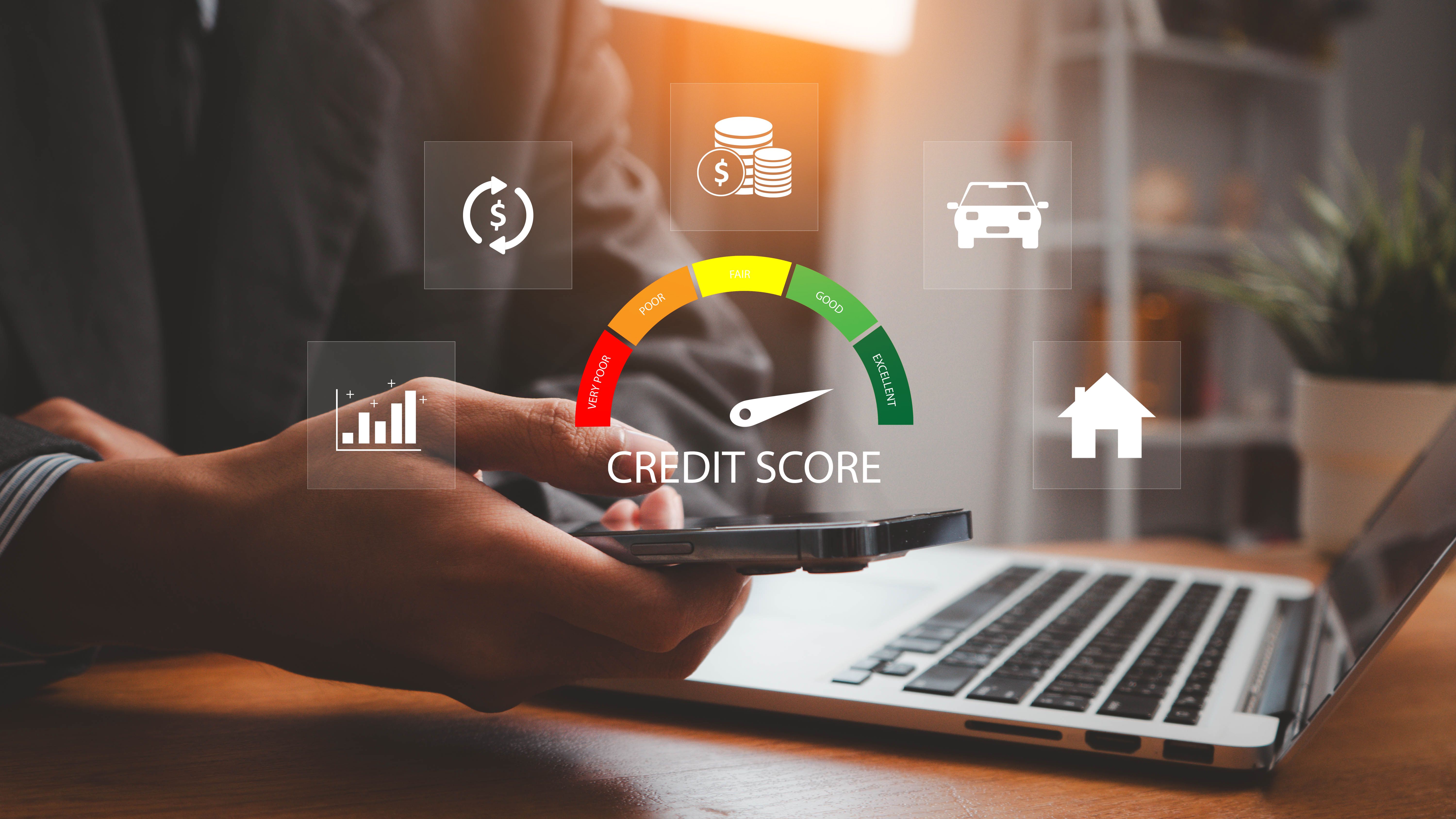
Credit scores range from 300 to 850, with higher scores indicating better creditworthiness. Lenders use these scores to assess the risk of lending money to you. A higher credit score can lead to lower interest rates, which can save you money over time, especially when financing significant purchases like tuition or a new laptop for school.
How Credit Scores Affect Loan Approvals
One of the primary ways credit scores impact financial planning is through loan approvals. When applying for student loans or personal loans to cover school expenses, lenders evaluate your credit score to determine your eligibility. A higher score increases your chances of approval and may also provide access to better loan terms.
If your credit score is lower, you might face challenges in getting approved or end up with higher interest rates, which increase the overall cost of borrowing. It's essential to know your credit score before applying for loans and take steps to improve it if necessary.
Credit Cards and Back-to-School Shopping
Credit cards are often used for back-to-school shopping, whether for supplies, clothing, or electronics. Your credit score can affect your credit limit and the interest rates available to you. With a good credit score, you might qualify for cards with rewards programs or lower interest rates, helping you manage your expenses more effectively.

On the other hand, a lower credit score might limit your options, leading to higher interest rates and fewer rewards. It's crucial to use credit cards responsibly, paying off balances in full each month to avoid accumulating debt and potentially damaging your credit score further.
Building and Maintaining a Good Credit Score
Building a good credit score is an ongoing process that involves several key practices. Here are some tips to help you maintain or improve your score:
- Pay your bills on time to demonstrate reliability to lenders.
- Keep credit card balances low relative to your credit limit.
- Avoid applying for too many new credit accounts in a short period.
Regularly checking your credit report for errors and disputing any inaccuracies can also help maintain a healthy credit score. By understanding these practices, you can set yourself up for better financial opportunities.
Impact on Long-Term Financial Planning
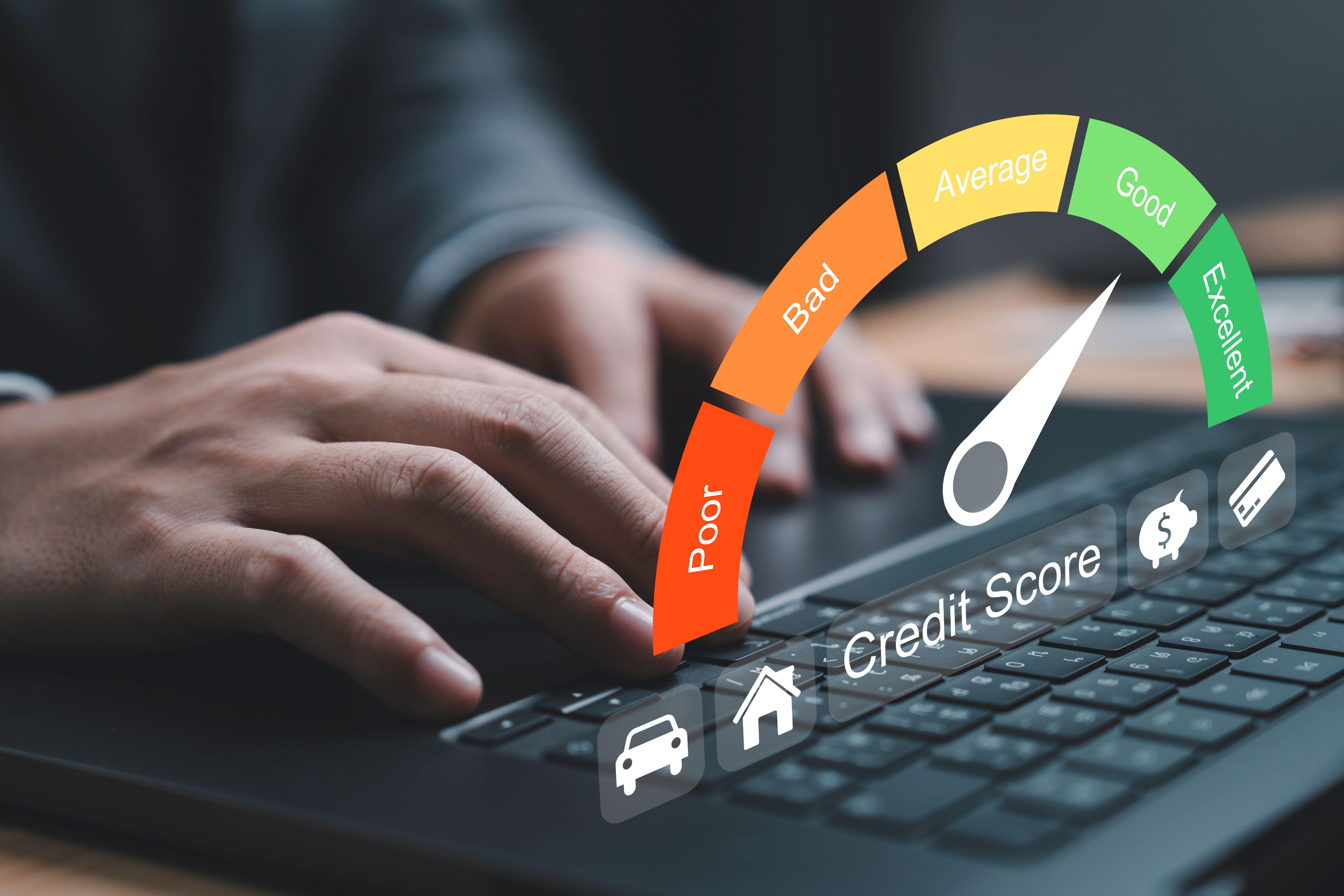
A good credit score doesn't just affect your immediate financial needs; it plays a role in your long-term financial health. Whether you're looking to buy a car or secure a mortgage in the future, a strong credit score can lead to better terms and substantial savings over time.
Financial planning for back-to-school expenses is an excellent opportunity to assess and improve your credit score, setting the stage for more favorable financial outcomes in the future. By taking proactive steps now, you can ensure a more secure and manageable financial journey.