How to Navigate Credit Repair: A Step-by-Step Guide for Beginners
Understanding Credit Repair
Credit repair is the process of improving your credit score by addressing inaccuracies in your credit report and adopting better financial habits. A good credit score is essential for securing loans, credit cards, and even favorable terms on insurance policies. For beginners, navigating this process can seem daunting, but with the right steps, it's entirely manageable.
Review Your Credit Report
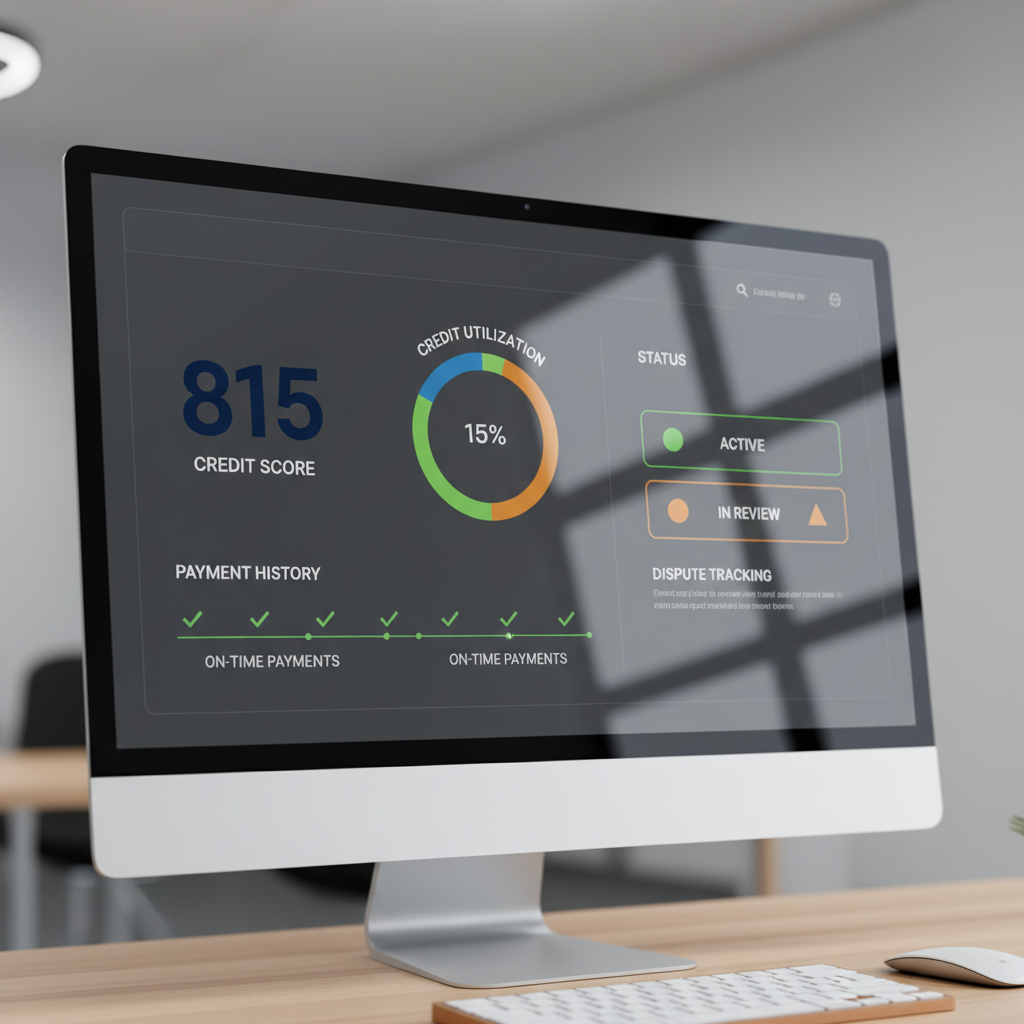
The first step in credit repair is to obtain copies of your credit report from the three major credit bureaus: Experian, Equifax, and TransUnion. You are entitled to one free report from each bureau annually, which you can access through AnnualCreditReport.com.
After obtaining your reports, thoroughly review them for any errors. Common mistakes include incorrect personal information, accounts that don't belong to you, and inaccurate account statuses. Identifying these errors is crucial for the next step.
Dispute Inaccuracies
If you find any inaccuracies, it's important to dispute them with the credit bureau. This can be done online, by phone, or by mail. Provide as much detail as possible, including supporting documentation. The bureau will investigate your claim and must respond within 30 days.

Pay Down Outstanding Debts
One of the most effective ways to improve your credit score is by paying down outstanding debts. Focus on high-interest debts first, as these can grow quickly and become unmanageable. Consider using the snowball or avalanche method to tackle your debts strategically.
Making at least the minimum payment on time is crucial. Late payments can significantly impact your credit score and remain on your report for up to seven years.
Maintain Low Credit Utilization
Credit utilization refers to the percentage of your available credit that you're using. Keeping this ratio below 30% is generally recommended. If possible, aim for even lower. This demonstrates responsible credit management to lenders.

Build Positive Credit Habits
Building positive credit habits is essential for long-term credit health. Start by making all payments on time and avoiding taking on new debt unnecessarily. Consider setting up automatic payments to ensure you never miss a due date.
Another strategy is to keep old credit accounts open. The length of your credit history can positively impact your score, so maintaining long-standing accounts can be beneficial.
Seek Professional Help if Needed
If the credit repair process feels overwhelming, or if you face particularly challenging issues, seeking professional help might be a wise choice. Credit counseling services can provide guidance and help you develop a budget and plan for improving your credit.
Ensure any service you choose is reputable. Avoid companies that promise quick fixes or ask for payment upfront, as these can be signs of a scam.