Expert Insights: Protecting Your Identity in Waterbury's Digital Age
Understanding the Digital Threat Landscape
In today's digital age, protecting your identity has become more crucial than ever, especially in a connected community like Waterbury. As technology advances, so do the tactics of cybercriminals. Understanding these threats is the first step in safeguarding your personal information.
Cyber threats can range from simple phishing attacks to complex malware infections. These can lead to identity theft, financial loss, and even personal safety risks. It's essential to stay informed about the latest digital threats to protect your identity effectively.
Implementing Strong Password Strategies
A strong password is your first line of defense against unauthorized access. Many people underestimate the importance of creating robust passwords, often opting for simple, easy-to-remember words. However, this can make your accounts vulnerable to attacks.
Consider using a combination of uppercase and lowercase letters, numbers, and symbols in your passwords. Additionally, refrain from using easily guessed information like birthdays or common words. A password manager can also help you maintain unique passwords for different accounts.
Leveraging Two-Factor Authentication
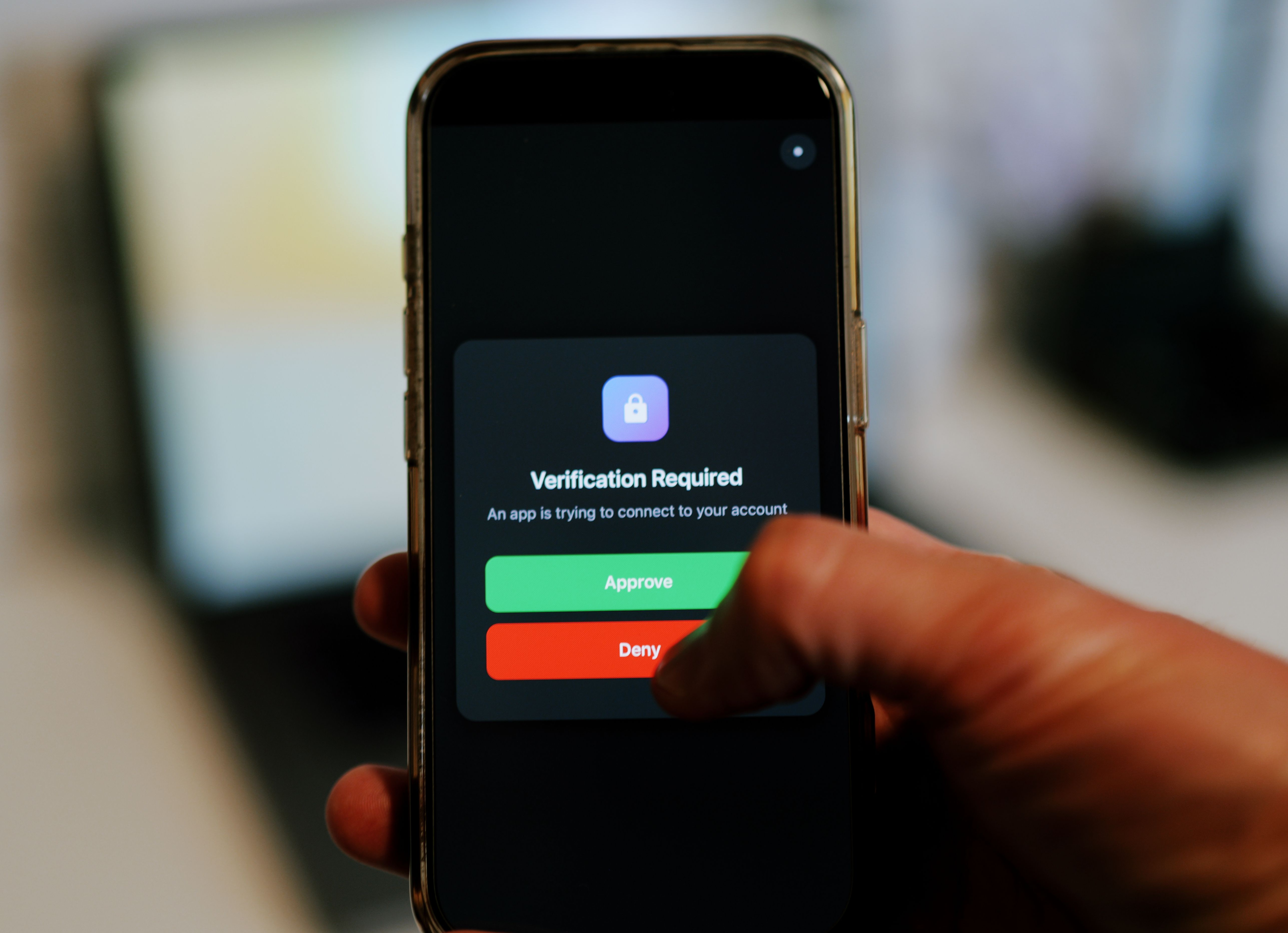
Two-factor authentication (2FA) adds an additional layer of security by requiring two forms of verification before granting access. This could be something you know (a password) and something you have (a mobile device).
Enabling 2FA on your accounts significantly reduces the risk of unauthorized access. Most major online services offer this feature, and it's highly recommended to activate it wherever possible.
Recognizing and Avoiding Phishing Scams
Phishing scams are a common method used by cybercriminals to steal personal information. These scams often come in the form of emails or messages that appear to be from legitimate sources.
Be cautious of unsolicited communications asking for personal information. Verify the source before clicking on any links or downloading attachments. If something seems suspicious, it's better to err on the side of caution.
Protecting Your Personal Devices
Your personal devices, such as smartphones and computers, hold a wealth of personal information. Ensuring they are secure is vital to protecting your identity.
Regularly update your device’s software to protect against known vulnerabilities. Use antivirus software and firewalls to add an extra layer of protection. Additionally, secure your home Wi-Fi network with a strong password.

Monitoring Your Financial Accounts
Regularly monitoring your financial accounts can help you detect any unauthorized transactions early. Set up alerts for unusual activity and review your statements frequently.
Consider utilizing credit monitoring services that notify you of changes to your credit report. Early detection is key to minimizing the impact of identity theft.
Educating Yourself and Others
Education is a powerful tool in the fight against identity theft. Stay informed about the latest cyber threats and best practices for online safety. Share this knowledge with friends and family to help create a safer digital community.
Participating in workshops or online courses about cybersecurity can also enhance your understanding and preparedness against potential threats.

Conclusion
Protecting your identity in Waterbury's digital age requires vigilance and proactive measures. By understanding the threats, implementing strong security practices, and staying informed, you can safeguard your personal information against cybercriminals. Remember, the key to digital safety is ongoing education and awareness.