DIY Credit Repair: Simple Steps You Can Take Today
Repairing your credit might seem like a daunting task, but with the right approach, you can take control of your financial future. Understanding and improving your credit score is essential, as it influences your ability to secure loans, credit cards, and favorable interest rates. Here's a simple guide to help you start repairing your credit today.
Understand Your Credit Report
The first step in DIY credit repair is to obtain a copy of your credit report. You can request a free report from each of the three major credit bureaus: Experian, Equifax, and TransUnion, once a year through AnnualCreditReport.com. Reviewing your report will help you identify any errors or discrepancies that could be impacting your score.
Identify and Dispute Errors
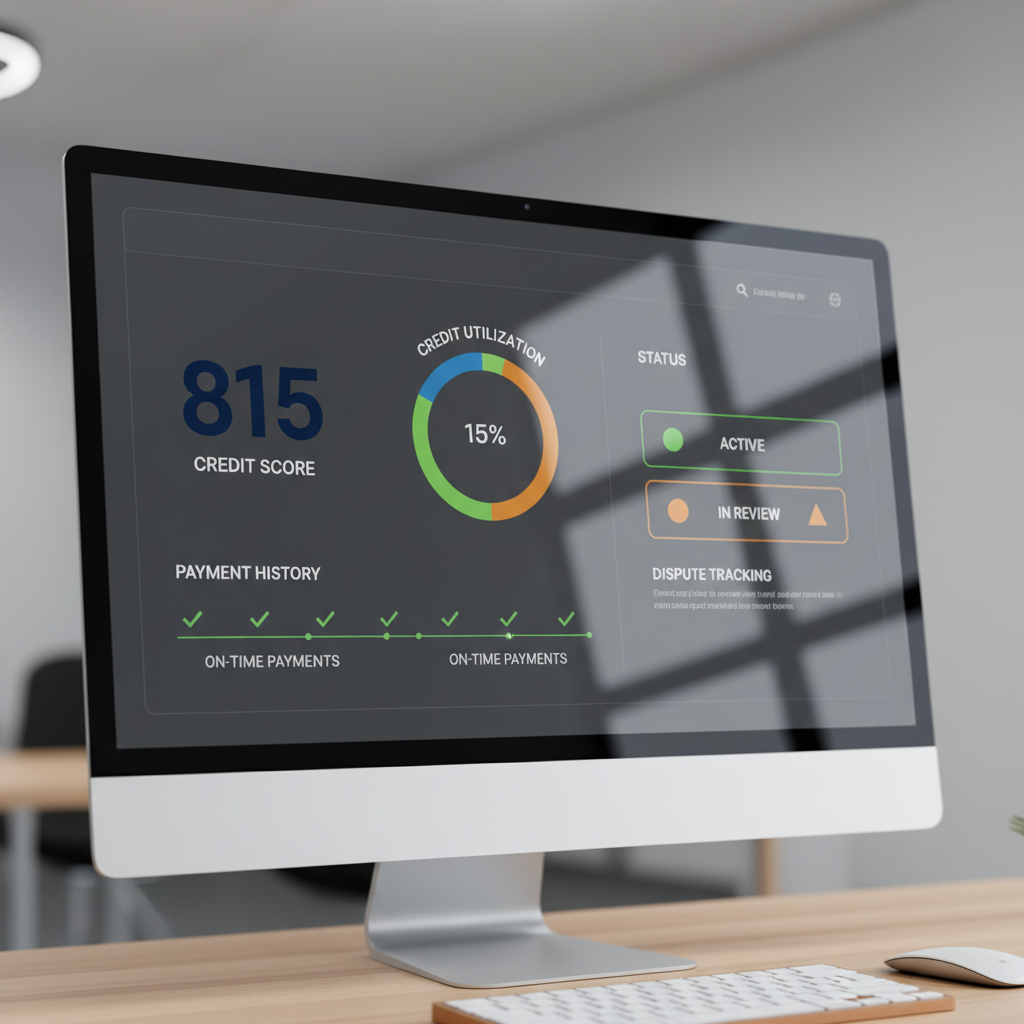
Once you have your credit report, carefully check for inaccuracies. Common errors include incorrect personal information, accounts that don't belong to you, or outdated negative items. If you spot any mistakes, file a dispute with the credit bureau providing the incorrect information. They are required to investigate and respond, typically within 30 days.
Create a Budget and Stick to It
Managing your finances is crucial for maintaining a good credit score. Start by creating a realistic budget that includes all your expenses and sources of income. Allocate funds for debt repayment and savings. Sticking to a budget will help you avoid overspending and ensure you can make timely payments on your obligations.

Pay Your Bills on Time
Payment history is one of the most significant factors in your credit score. Set up reminders or automate payments to ensure you never miss a due date. If you struggle with cash flow, prioritize paying at least the minimum amount due on each account to avoid late fees and negative marks on your credit report.
Reduce Your Debt
High levels of debt can negatively impact your credit score. Focus on paying down your outstanding balances by using strategies like the snowball or avalanche method. The snowball method involves paying off your smallest debts first, while the avalanche method targets the highest interest rates. Choose the one that best fits your financial situation and motivation.

Limit New Credit Inquiries
Each time you apply for new credit, a hard inquiry is recorded on your credit report, which can temporarily lower your score. Be selective when applying for new credit accounts, and only do so when necessary. Consider waiting until your credit score improves before seeking additional credit.
Use Credit Wisely
Maintaining a healthy credit utilization ratio is essential for a good credit score. Aim to keep your credit card balances below 30% of your total credit limit. Regularly monitor your accounts and pay off balances in full whenever possible to avoid interest charges and improve your creditworthiness.
By following these steps, you can take control of your credit repair journey. Remember, consistency and patience are key. With determination and the right strategies, you'll be on your way to a healthier credit score and a more secure financial future.