DIY Credit Repair: Practical Steps to Improve Your Score in Waterbury
Understanding Your Credit Score
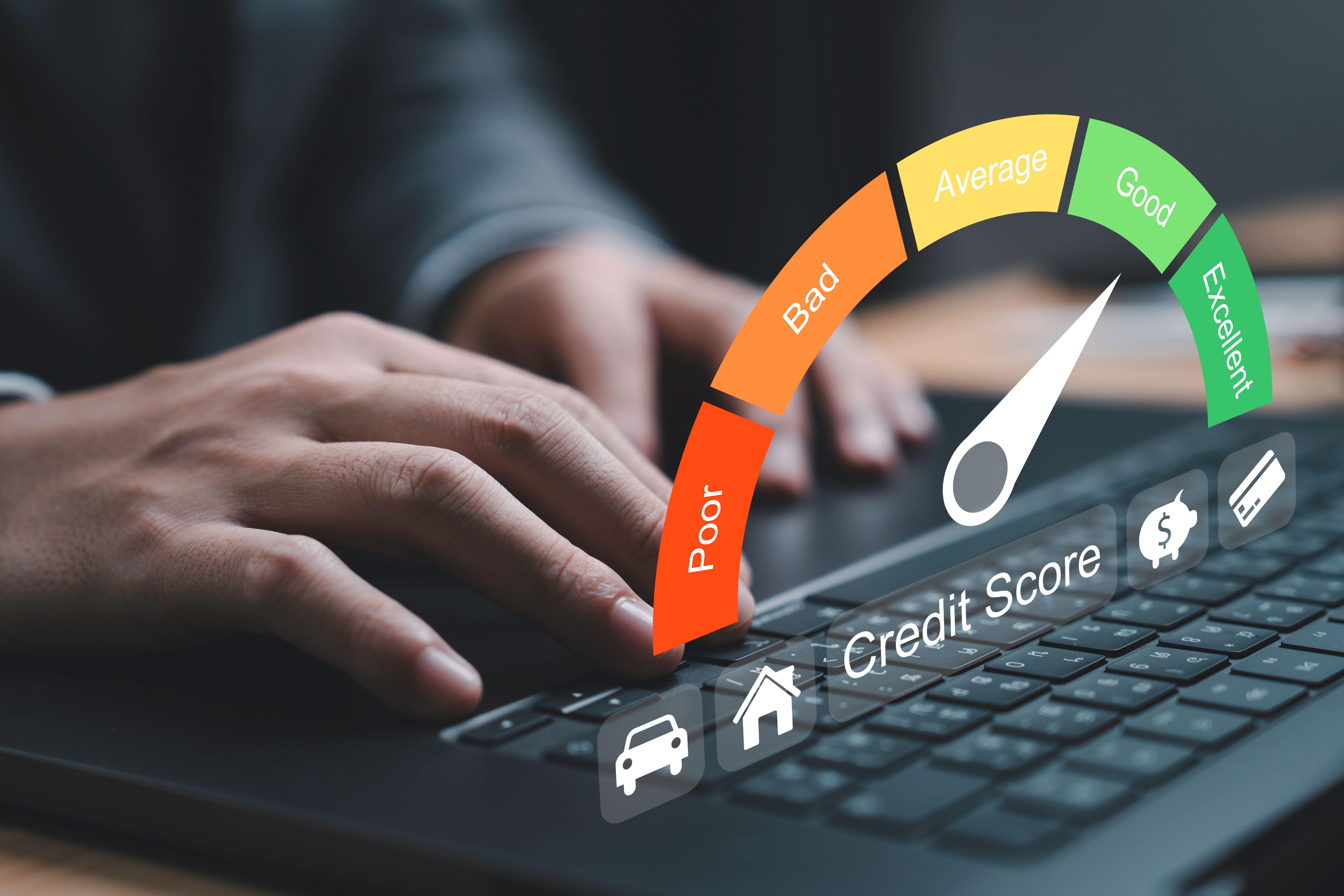
In Waterbury, as in many other places, a solid credit score can open doors to better financial opportunities. Understanding what affects your credit score is the first step in taking control of your financial health. Your score is typically influenced by factors such as payment history, amounts owed, length of credit history, new credit, and types of credit used.
Being aware of these factors can help you to prioritize which areas need improvement. For instance, consistently paying your bills on time can have a significant positive impact. On the other hand, high credit utilization can drag your score down.
Check Your Credit Report
The first practical step in DIY credit repair is to obtain a copy of your credit report. You are entitled to one free report from each of the three major credit bureaus annually. Reviewing your report allows you to identify any inaccuracies or fraudulent accounts that might be affecting your score.
Once you have your report, carefully examine each entry. Look for discrepancies such as accounts you don't recognize or incorrect late payments. If you find any errors, dispute them with the credit bureau to have them corrected.
Create a Budget and Payment Plan
A crucial step in repairing your credit is creating a realistic budget. This will help you manage your expenses and ensure you can pay your bills on time. List all your monthly income sources and expenses to see where you can cut back.
Once you have a clear picture of your finances, prioritize paying off debts. Focus on high-interest debts first, as these can cost you more over time. Consider setting up automatic payments to avoid missing due dates.

Reduce Your Credit Utilization
Your credit utilization ratio, or the amount of credit you're using compared to your credit limit, is a significant factor in your credit score. Keeping this ratio below 30% is generally advised. If possible, pay down existing balances to lower your utilization rate.
Another strategy is to request a credit limit increase from your creditors, which can lower your utilization rate if your spending remains the same. However, avoid using the additional credit as an excuse to spend more.
Build Positive Credit Habits
Building positive credit habits is essential for maintaining a healthy credit score. One effective way is to diversify your credit by having a mix of credit accounts, such as revolving credit (credit cards) and installment loans (car loans, mortgages).
Always aim to pay more than the minimum payment each month and avoid closing old credit accounts, as the length of your credit history can positively impact your score.

Consider Professional Help if Needed
If the DIY approach feels overwhelming or if you're not seeing the desired results, consider seeking professional help. Credit counseling services can offer personalized advice and strategies tailored to your financial situation.
Ensure that you choose a reputable service by checking reviews and verifying their accreditation. While professional help can be beneficial, remember that credit repair isn't an overnight fix and requires consistent effort.