DIY Credit Repair: How to Tackle Debt Management Yourself
Managing debt can be overwhelming, but taking control of your financial situation is possible with DIY credit repair. By understanding your credit report, creating a budget, and setting achievable goals, you can work towards improving your credit score on your own.
Understanding Your Credit Report
The first step in managing your debt is to understand your credit report. Obtain a free copy of your credit report from each of the three major credit bureaus: Equifax, Experian, and TransUnion. Review these reports for any inaccuracies or discrepancies. Disputing errors can be an effective way to improve your credit score quickly.
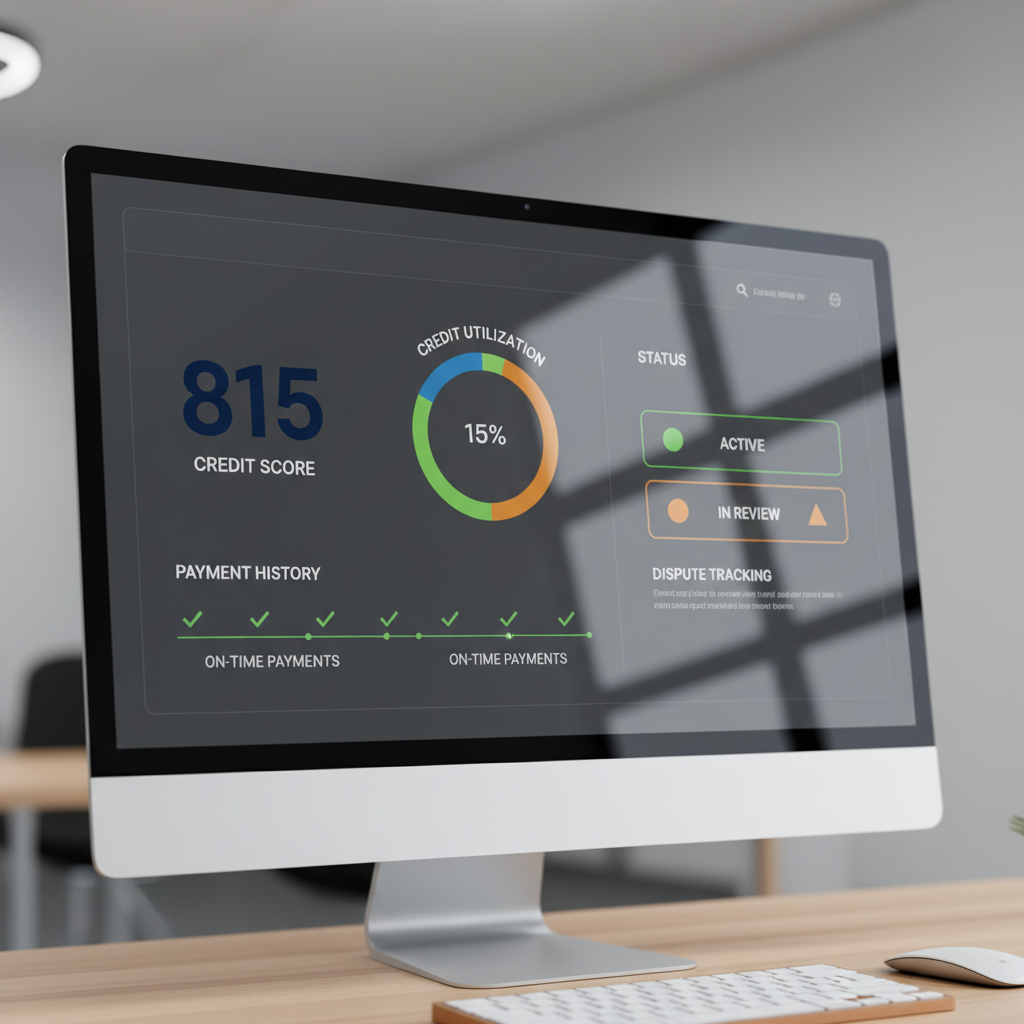
Identifying Errors and Disputes
Look for incorrect personal information, accounts that do not belong to you, or incorrect account statuses. If you find errors, file a dispute with the credit bureau. You can usually do this online, and the bureau is required to investigate and respond within 30 days.
Creating a Budget
Once you have a clear understanding of your credit report, it's time to create a budget. This helps you track your income and expenses, ensuring you can allocate funds to pay off debt. Begin by listing all sources of income and then outline your monthly expenses. Categorize these expenses into necessities, savings, and discretionary spending.

Prioritizing Debt Payments
Focus on paying off high-interest debts first, as these can accumulate rapidly. Consider the avalanche method, which targets the highest interest rates, or the snowball method, which focuses on paying off the smallest debts first. Both methods are effective, so choose the one that best fits your financial situation and motivation.
Setting Achievable Goals
Setting realistic financial goals is crucial for successful debt management. Break down large goals into smaller, manageable steps. For example, aim to pay off a specific amount of debt each month. Celebrate small victories along the way to stay motivated.

Building an Emergency Fund
While paying off debt is important, building an emergency fund should not be overlooked. Having a safety net can prevent you from accumulating more debt in the future. Aim to save at least three to six months' worth of living expenses. This fund provides peace of mind and financial security.
Staying Consistent and Patient
Improving your credit score and managing debt takes time. Stay consistent with your efforts and remain patient. Regularly review your budget, adjust as needed, and keep track of your progress. Over time, these efforts will reflect positively on your credit score.
By taking these steps, you can effectively manage your debt and improve your credit score. DIY credit repair requires dedication and discipline, but the rewards are worth the effort. Empower yourself with the knowledge and tools to take control of your financial future.