DIY Credit Repair: Essential Tips from the Experts
Understanding Your Credit Report
Before diving into DIY credit repair, it's crucial to understand your credit report. Your credit report is a detailed summary of your credit history and includes information such as your personal details, credit accounts, and payment history. Reviewing this report helps identify errors or discrepancies that may be negatively affecting your credit score.
Request a free copy of your credit report from the major credit bureaus: Equifax, Experian, and TransUnion. Thoroughly examine each section and highlight any inaccuracies you find. Common errors include incorrect personal information, accounts that don't belong to you, or outdated debt.
Disputing Errors on Your Credit Report
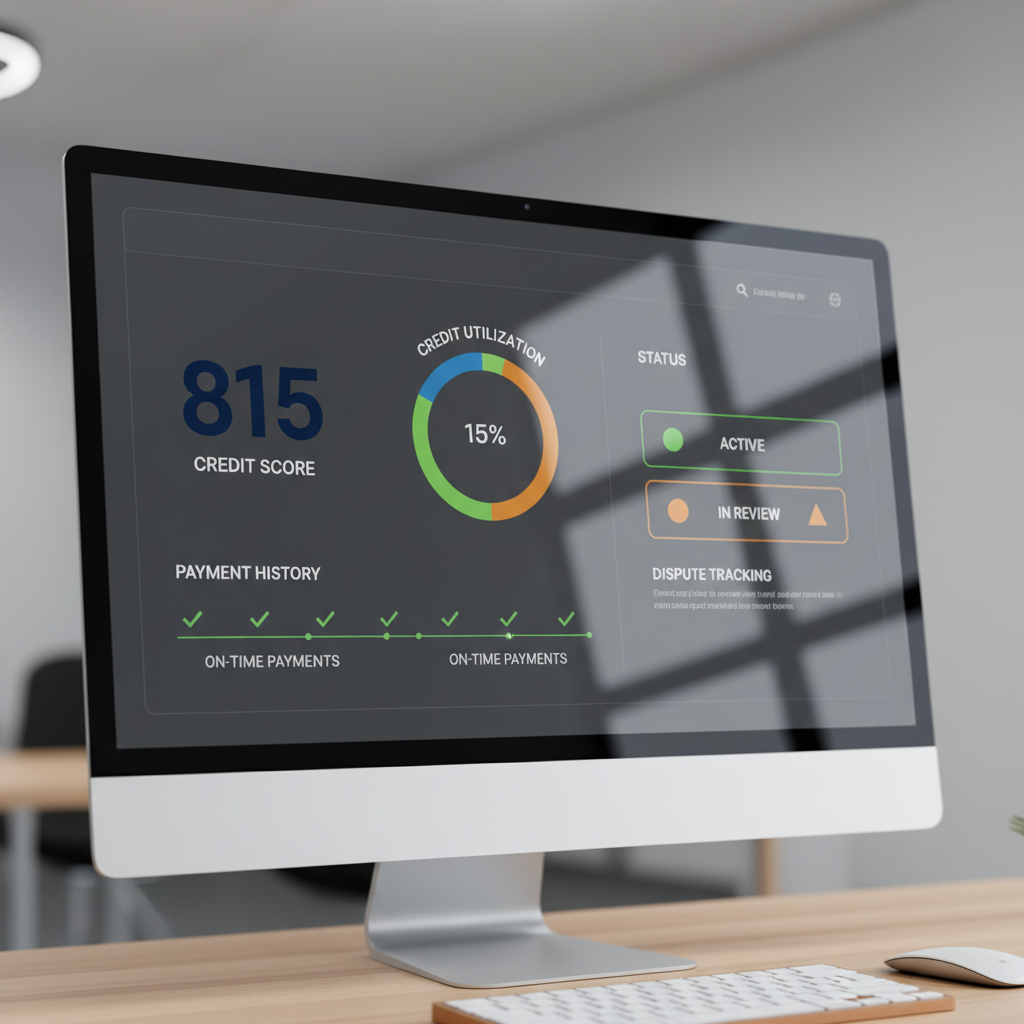
Once you've identified errors in your credit report, the next step is to dispute them. The Fair Credit Reporting Act (FCRA) allows you to challenge incorrect or incomplete information. Write a formal dispute letter to the credit bureau, providing evidence such as account statements or confirmation letters to support your claims.
Include your personal information, a detailed description of the error, and why you are disputing it. Be concise and clear in your communication. After sending your dispute, the credit bureau typically has 30 days to investigate and respond.

Paying Down Outstanding Debt
High levels of debt can significantly impact your credit score. To improve it, focus on paying down outstanding debts, starting with those that have the highest interest rates. This approach, known as the avalanche method, helps reduce the overall interest you pay over time.
Alternatively, you can use the snowball method, which involves paying off the smallest debts first to gain momentum. Both methods can be effective, so choose the one that best fits your financial situation.

Building and Maintaining Good Credit Habits
Repairing your credit is not just about fixing past mistakes; it's also about building sustainable financial habits. Ensure you pay your bills on time, as late payments can have a significant negative impact on your credit score. Setting up automatic payments or reminders can help you stay on track.
Additionally, keep your credit utilization ratio low. This ratio is the amount of credit you're using compared to your total credit limit. Aim to keep this ratio below 30% to positively influence your credit score.
Utilizing Credit Repair Tools
Several online tools and resources can aid in your DIY credit repair journey. These tools offer features such as credit monitoring, personalized advice, and educational resources to help you understand and manage your credit effectively. Some popular options include Credit Karma, Credit Sesame, and Experian Boost.
While these tools can be beneficial, remember that they should complement your efforts, not replace them. Staying proactive and informed is key to successfully repairing your credit.

Seeking Professional Advice
If you find the DIY approach overwhelming or if your credit issues are complex, consider seeking professional advice. Credit counseling agencies can offer personalized guidance and support. Look for agencies accredited by the National Foundation for Credit Counseling (NFCC) or the Financial Counseling Association of America (FCAA).
Professional help can provide you with tailored strategies to improve your credit situation and offer peace of mind as you work towards financial health.