DIY Credit Repair: A Step-by-Step Guide for Residents of Prospect
Understanding Your Credit Report
Before embarking on your DIY credit repair journey, it's essential to understand your credit report. This report is a detailed record of your credit history and is used by lenders to assess your creditworthiness. You can obtain a free copy of your credit report from each of the three major credit bureaus annually.
Once you have your report, review it for any inaccuracies or discrepancies. Look for incorrect personal information, accounts that don't belong to you, and any incorrect account statuses. Disputing these errors is the first step in improving your credit score.
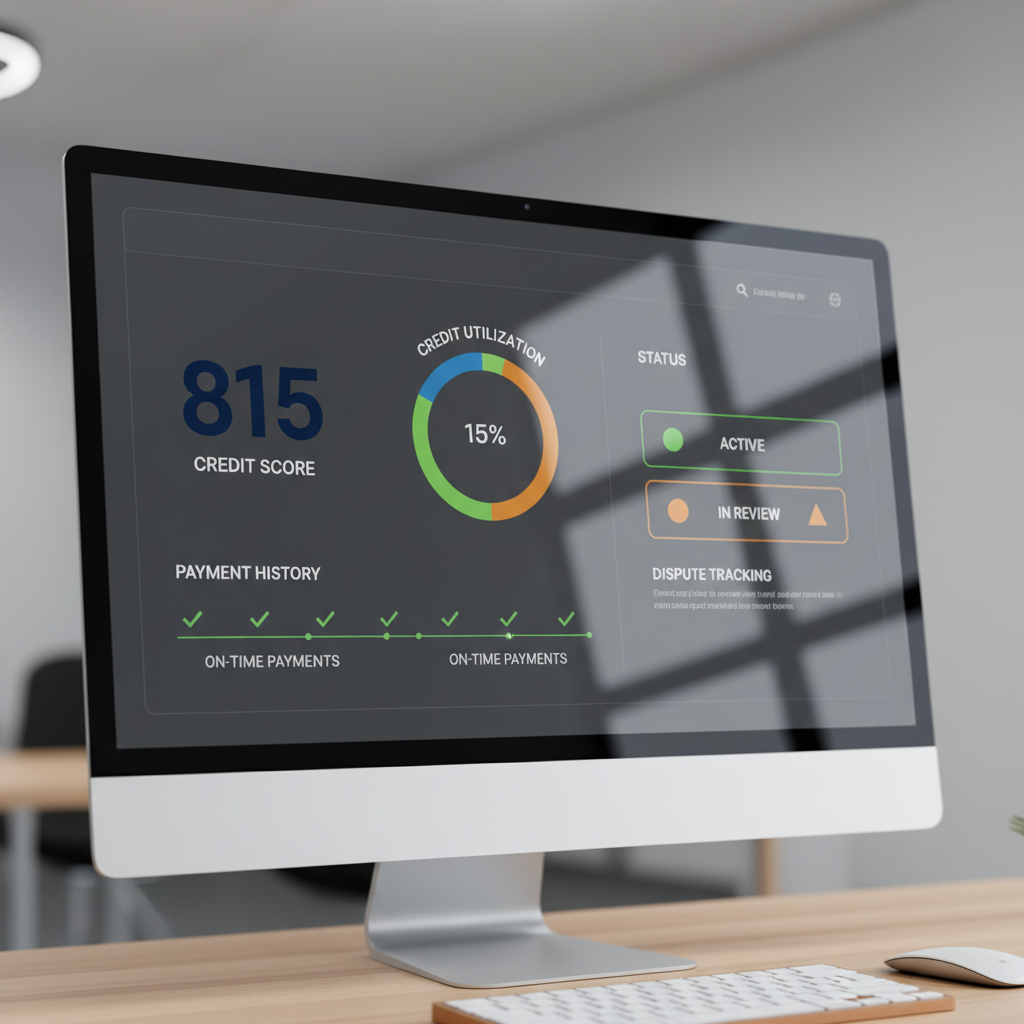
Disputing Errors on Your Credit Report
After identifying inaccuracies, it's time to dispute these errors. You can do this by writing a dispute letter to the credit bureau that issued the report. Clearly outline the error and provide supporting documentation if possible. The bureau has 30 days to investigate and respond to your dispute.
It's crucial to keep a copy of all correspondence for your records. This process can take time, but correcting these errors can significantly boost your credit score.

Paying Down Existing Debt
Once errors are addressed, focus on paying down existing debt. Prioritize high-interest debt first, as this can save you money in the long run. Consider creating a budget to allocate extra funds towards paying down these debts.
Consistently making payments on time is vital. Late payments can negatively impact your credit score, so set up reminders or automatic payments to avoid missing due dates.

Building Positive Credit Habits
Improving your credit isn't just about addressing past mistakes; it's also about building positive habits moving forward. Consider opening a secured credit card or becoming an authorized user on a responsible friend's account to start building positive credit history.
Ensure you keep your credit utilization below 30% of your total available credit. This demonstrates to lenders that you can manage credit responsibly.
Monitoring Your Progress
As you work on repairing your credit, it's important to monitor your progress. Regularly check your credit report to ensure that your efforts are paying off and that no new errors have appeared.
There are various tools and apps available that can help you track your credit score over time. By keeping an eye on your progress, you can make informed decisions and continue to improve your credit health.
Seeking Professional Help
While DIY credit repair is possible, sometimes professional help can be beneficial. If you're feeling overwhelmed or unsure about the process, consider reaching out to a certified credit counselor. They can provide guidance and assist you in creating a personalized plan to improve your credit.
Remember, rebuilding credit takes time and patience. Stay committed to your plan, and you'll see improvements over time.